_1773179633783-DiqUK4T2.png)
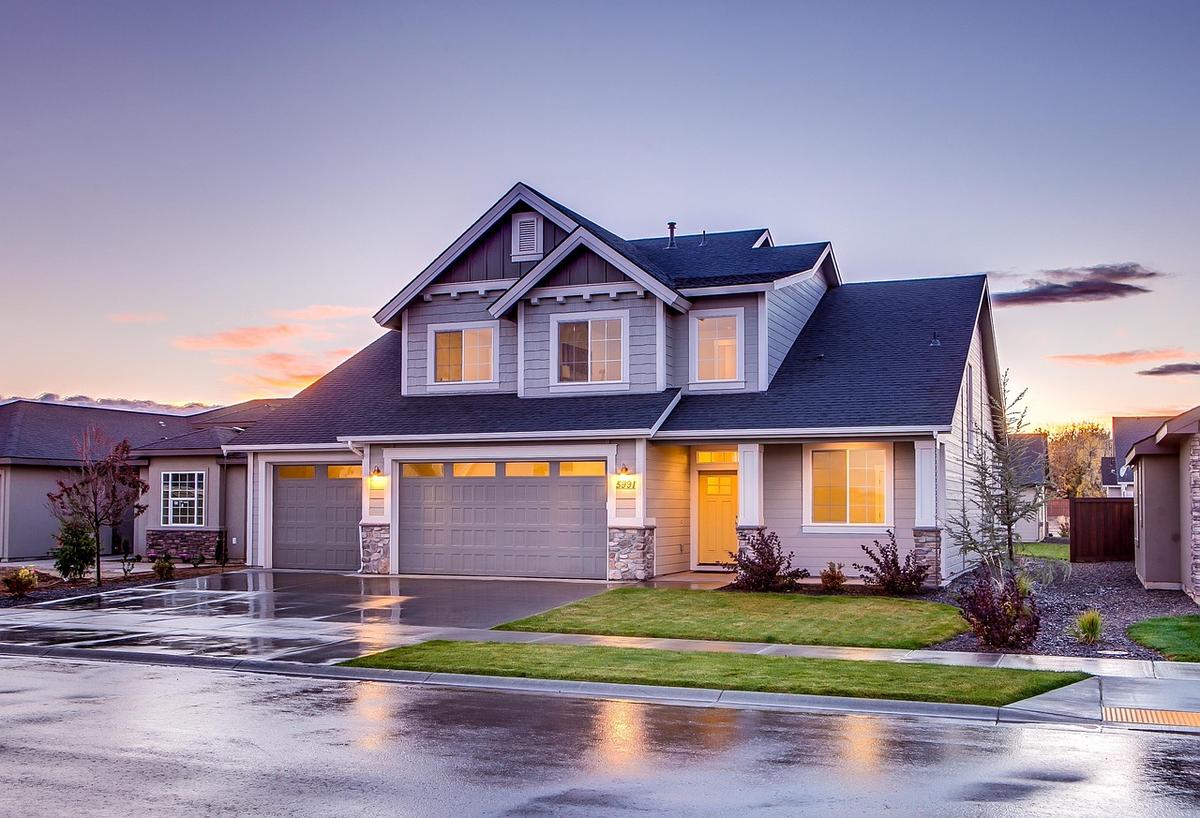
North Hills sits in the middle of the north Valley, flat as a table, wedged between the San Diego Freeway and the neighborhoods that grew up around it. It is a working community of postwar tracts and apartment corridors, and its buried drainage tells a longer story than the tidy tract neighborhoods east of it, because North Hills was not built in one push. Homes here span the 1940s through the 1970s, which means the pipe under them spans clay, cast iron, fiber conduit and early plastic, sometimes within a single block.
BBC Rooter & Plumbing handles sewer laterals, mains and buried pipe here — nothing else, which is why we are good at it. Camera diagnosis, hydrojetting, rooter work, trenchless lining, pipe bursting and excavation, for owner-occupied houses and for the rental stock that makes up a large share of the community. Backing up right now? Call 818-280-9135. Office hours are 6am to 6pm every day with emergency coverage outside them.
It Was Sepulveda Until 1991, and Old Paperwork Still Says So
This community carried the name Sepulveda for most of the twentieth century, after the Sepulveda family whose land holdings once covered much of this part of Los Angeles. In 1991 it was formally renamed North Hills. The name is newer than most of the houses.
That matters more than it sounds. Property files, old permit records, utility maps and inherited paperwork frequently still read Sepulveda, and homeowners occasionally think documents about their own address belong to some other place. If you are trying to establish when a sewer line was installed or last worked on, search both names. The boulevard kept the old name too, so Sepulveda Boulevard still runs the length of the neighborhood while the neighborhood around it goes by something else — a source of confusion for anyone giving directions to a service truck for the first time.
Most of North Hills falls under ZIP code 91343. The area north of Roscoe Boulevard toward Devonshire Street and the blocks running along Woodley Avenue, Nordhoff Street, Rayen Street, Parthenia Street and Plummer Street make up the residential core, with the VA Sepulveda Ambulatory Care Center on Plummer as one of the larger institutional properties in the area.
Flat Ground, Shallow Pipe, and Why That Is Good News
Everything in North Hills is level. There is no grade to fight, no hillside fill settling under a lateral, no canyon run where solids fall out of suspension. Laterals here are typically short and shallow — commonly three to six feet deep at the house, running deeper as they approach the public main in the street — through the sandy loam and alluvial gravels of the Valley floor.
Every one of those conditions reduces the cost and difficulty of sewer work. Excavation is faster in sandy soil than in rock or heavy clay. Shallow pipe needs less shoring. Short runs mean fewer linear feet of liner or replacement pipe. When we quote a North Hills replacement it is usually toward the friendly end of the range, and trenchless methods frequently price close enough to open trenching that owners choose them simply to keep the driveway and lawn undisturbed.
The trade-off is bedding. Sandy soil that excavates easily also migrates easily. Once a joint starts to weep, soil washes into the pipe and travels downstream, hollowing out the support beneath the line. The pipe settles into the void and develops a belly — a low section that permanently holds water. Bellies do not clear. Cabling a bellied line restores flow for a while, then solids collect in the same dip and the backup returns on a cycle. The camera is what distinguishes a belly from a root ball, and the distinction changes the entire repair plan.
The Water Table South Toward the Basin
The southern edge of the neighborhood runs down toward the Sepulveda Basin, where the Los Angeles River corridor and the spreading grounds keep groundwater considerably closer to the surface than it is farther north. On deeper excavations in that direction we plan for the possibility of hitting water in the trench, which means dewatering, shoring and a slower, more careful dig.
Groundwater cuts the other way as well. A cracked or open-jointed line sitting in wet ground takes on infiltration, meaning groundwater enters the sewer through the same defects that let waste out. Owners see the symptom as a line that runs sluggish in the wet season and behaves reasonably in the dry one. On camera it shows plainly as water seeping in at joints when no fixture is running. It is one of the more persuasive arguments for lining a run rather than continuing to cable it.
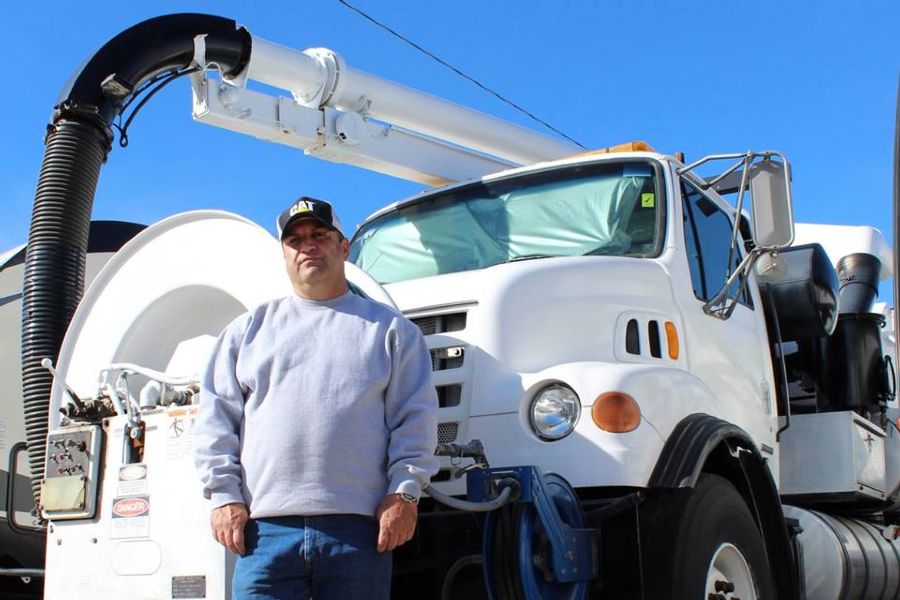
Why we locate before we dig
Streets in North Hills dead-end against the freeway corridor in several places, and laterals near those blocks sometimes run to a main on a different street than the layout suggests. We never assume the path. Our camera work includes sonde locating and depth marking on the surface, so the excavation is where the pipe actually is.
That same locate is what makes trenchless replacement practical: two small pits in the right places instead of a trench across the whole yard.
Tracts, Fourplexes and the Sepulveda Boulevard Apartment Corridor
North Hills has an unusually mixed housing profile for the north Valley. Single-family tract houses from the 1950s occupy the interior blocks, while the corridors along Sepulveda Boulevard, Nordhoff Street and Roscoe Boulevard filled in during the 1960s and 1970s with apartment buildings and fourplexes. Rental housing is a large share of the total, and that shapes the sewer work.
Rental buildings put multiple households onto pipe that was often sized for far less. Kitchen grease from many units accumulates in a line that never sits idle long enough to dry out. Wipes marketed as flushable knit together and catch on the first rough clay joint. And on properties where parking was expanded or the yard was paved decades ago, the cleanout is frequently buried under asphalt, so an emergency call starts with a search instead of a service.
Mixed pipe within one block
Because North Hills built out over three decades, neighboring houses can be on completely different materials. We never assume the pipe from the address. The camera tells us, and the material decides whether lining or replacement is appropriate.
Bellies from washed-out bedding
Sandy soil migrating into a leaking joint undermines the pipe until it sags. A bellied line backs up on a schedule no matter how often it is cabled. Jetting buys time; correcting the grade solves it.
Wet season sluggishness
Near the basin, groundwater infiltration through open joints can overload an otherwise adequate line in winter. Sealing the run keeps the groundwater out and the capacity in.
Modesto Ash, Carrotwood and a 1950s Parkway
Street trees planted when these tracts were new are now seventy years into their root development. Modesto ash, carrotwood, Chinese elm and ficus are all common along North Hills parkways, and all of them will exploit a leaking sewer joint. Roots do not break into sound pipe; they find warmth and moisture escaping through an existing gap and grow toward it, entering first as fine hairs and thickening season by season into a mass that fills the bore.
The practical consequence is that root removal is maintenance, not repair. A cable shears the mass off at the pipe wall and flow returns immediately, which feels like a fix. Hydrojetting with a root-cutting head cleans considerably more thoroughly and lasts longer. But the opening that admitted the roots is still there in both cases. On a line with heavy recurring intrusion, the honest recommendation is to remove the joints entirely by lining or replacing the affected run, and we will tell you that rather than sell you the same cabling twice a year forever.
Sewer Services at North Hills Addresses
In-house crews and equipment on every job. We do not hand North Hills work to subcontractors.
Also in scope: underground pipe excavation, cast iron and clay line replacement, correction of bellied and offset sections, root intrusion abatement, sewer gas source tracing, pre-purchase sewer inspections and commercial sewer rehabilitation.
Need a North Hills Rooter Truck Today?
Camera inspection included with any repair. Written estimate before we start.
Call 818-280-9135When to Stop Cabling and Look at the Line
A cable is the right tool for a one-time stoppage. It is the wrong answer to a pattern. These are the situations where continuing to cable is spending money to delay a decision:
- The same line has been cleared more than twice in a year — something structural is causing the repetition
- Flow is fine for weeks then fails abruptly, which is how a belly behaves as solids accumulate in the low spot
- The cable stops at the same distance every time — that consistent measurement is telling you where the defect is
- Problems track the seasons, worsening in wet months, which suggests groundwater infiltration through open joints
- Soil has settled along the pipe path or hardscape above it has begun to crack, both signs of a void forming under the line
- Sewer odor persists after the line has been cleared, indicating a break rather than a blockage
In any of those cases a camera inspection turns guesswork into a decision. You see the footage, you learn what material you have and where the defect sits, and you choose the repair with actual information rather than a technician's opinion.
North Hills on the Map
We dispatch from Yolanda Avenue in Northridge, which is minutes away. North Hills is one of the closest communities we serve and usually one of the fastest to reach.
What We Do Not Handle
Being clear about the boundary saves everyone time. BBC Rooter does not install or service water heaters or tankless units, does not work on faucets, toilets, sinks, garbage disposals or fixtures, does not repipe water supply lines or repair pinhole copper leaks, and does not take on water treatment equipment, gas lines or new construction plumbing. We work below the property on the drainage side: sewer laterals, mains, underground pipe and the drains that feed them.
What North Hills Callers Usually Want to Know
Our documents say Sepulveda, not North Hills. Is that the same neighborhood?
Yes. The community was called Sepulveda until it was renamed North Hills in 1991, so older property files, permits and utility records often still use the former name. If you are researching when a sewer line was installed or previously repaired, search under both names or you will miss half the history. Sepulveda Boulevard kept the older name and still runs through the middle of the neighborhood.
How deep are the sewer lines here, and does depth change what I pay?
Depth matters a great deal. Residential laterals in North Hills commonly sit around three to six feet below grade at the house and get deeper as they approach the main in the street. Deeper pipe means more excavation, more shoring and more restoration, so it raises cost. Because the ground here is flat and the soil is sandy loam rather than rock, North Hills excavation is usually on the easier end compared with hillside neighborhoods.
A neighbor hit groundwater digging. Will that affect my sewer repair?
It can, mainly on the southern side of the neighborhood toward the Sepulveda Basin, where groundwater sits closer to the surface. If we expect water in the trench we plan for dewatering and shoring, which adds time. Groundwater also matters in the other direction: if your line has open joints sitting in wet soil, groundwater seeps into the sewer and the line runs sluggish in the rainy season. Sealing the pipe fixes that.
Can you tell whether the blockage is on my property or the city side?
That is exactly what a camera and locate are for. We run the camera from the cleanout toward the street, measure the distance to the obstruction, and mark the spot on the surface. If the defect sits between your building and the point where your line meets the public main, it is the property owner's responsibility in the City of Los Angeles. If it is in the public main itself, we tell you that and you are not paying us to fix city pipe.
How quickly can you get to a North Hills address?
Faster than almost anywhere else we serve. We dispatch from Yolanda Avenue in Northridge, which is only a few minutes away, so North Hills calls typically see a truck in twenty to forty five minutes depending on traffic. Office hours are 6am to 6pm seven days a week, and the emergency line is answered outside those hours.
We manage an apartment building on Sepulveda Boulevard. Can you set up regular maintenance?
Yes, and for multi-unit rental property it is the cheaper path. We camera the building line once to establish material, depth and condition, locate and raise any cleanouts that have been paved over, then set a hydrojetting interval based on unit count and what the video shows rather than a generic schedule. Planned service costs far less than an overflow that displaces tenants and damages flooring.
Valley Areas Close to North Hills
North Hills borders half the north Valley. We run the same trucks and crews across all of it:
North Hills' Own Sewer Line Crew
BBC Rooter & Plumbing — owner Babak Behzadi, CSLB #720343. Family-owned, based minutes away in Northridge, open seven days.
Call 818-280-9135