Hydro Jetting in Northridge & the San Fernando Valley
Hydro jetting (also written hydrojetting) is the most effective hydro jetting service for cleaning sewer and drain lines. It uses a specialized nozzle that blasts water at up to 4,000 PSI through the pipe, scouring away tree roots, grease, mineral scale, sludge, and years of buildup that snaking alone cannot remove.
BBC Rooter & Plumbing is a hydro jetting plumber providing residential and commercial hydrojetting across the entire San Fernando Valley, from Northridge and Chatsworth to Encino, Woodland Hills, and everywhere in between. Same-day hydro jetting service is available 7 days a week.
How Hydrojetting Works
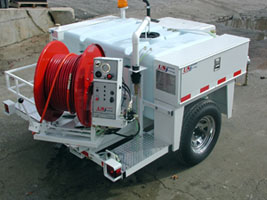
A hydrojetter consists of a high-pressure water pump, a long hose, and a specialized nozzle with forward- and rear-facing jets. The nozzle is fed into the sewer line through a cleanout, and the rear-facing jets propel it forward while blasting debris backward toward the access point.
The result is a pipe cleaned back to its original diameter, not just a hole poked through the clog (which is all a drain snake does). This is why hydrojetting lasts significantly longer between service visits.
What Hydrojetting Clears
- Tree roots: The high-pressure stream cuts through root masses that have invaded pipe joints. For recurring root problems, hydrojetting every 18 to 24 months keeps lines flowing while you plan a permanent fix like trenchless pipe lining.
- Grease and fat buildup: Critical for restaurants and commercial kitchens where grease accumulates in drain and sewer lines. Regular jetting prevents the backups that lead to health code violations and business interruptions.
- Mineral scale and calcium deposits: Common in older cast iron pipes, where decades of mineral buildup reduces the effective pipe diameter by 30% or more.
- Sludge and sediment: Organic waste, paper products, and sediment that settle in low spots (bellies) in the sewer line.
Hydrojetting vs. Snaking: What Is the Difference?
A drain snake (also called a rooter machine or auger) works by spinning a cable with a cutting head through the pipe. It punches a hole through the clog, restoring flow, but it does not clean the pipe walls. Within weeks or months, buildup re-accumulates and the clog returns.
Hydrojetting cleans the entire interior surface of the pipe. It is the difference between poking a hole through a clogged artery and actually clearing the blockage. For recurring sewer problems, hydrojetting is almost always the better long-term investment.
snaking is still the right tool for simple one-time clogs in branch lines. Our drain cleaning service uses both methods depending on the situation.
Residential Hydrojetting
For homeowners, hydrojetting is most commonly used on the main sewer lateral, the 4 to 6 inch pipe that runs from your house to the city sewer main in the street. We access the line through an exterior cleanout and jet the full length of the pipe.
We always start with a sewer camera inspection before jetting. The camera confirms the pipe material, diameter, and condition. If the pipe has structural damage (cracks, collapse, separation), we will identify that before applying high-pressure water, which could worsen a compromised line.
Commercial Hydrojetting
Restaurants, apartment complexes, HOAs, and commercial properties deal with heavier sewer loads and faster buildup than single-family homes. BBC Rooter provides scheduled hydrojetting maintenance for commercial clients throughout the San Fernando Valley, including:
- Restaurant grease lines (quarterly or semi-annual maintenance programs)
- Multi-family building sewer mains
- HOA and property management sewer maintenance
- Commercial kitchen drain lines
If you manage an apartment building or multi-family property, see our guide to apartment and multi-family sewer rehabilitation in the San Fernando Valley for how hydrojetting fits into a full sewer maintenance and rehab plan.
Wondering whether preventive jetting is worth the cost? Our breakdown of how hydrojetting saves San Fernando Valley property owners money compares one jetting visit against repeat snaking calls and emergency backup cleanup.
That pre-jetting scope is also the step most commercial inspection specs get wrong. Our guide to CCTV pipe inspection in the San Fernando Valley explains why a line has to be cleaned before it can be properly surveyed, and why a survey run on a dirty pipe is worth very little.
Schedule Hydrojetting Service
Camera inspection included. We will show you the before and after footage so you can see the difference.
Call 818-280-9135Frequently Asked Questions
How much does hydrojetting cost?
Residential hydrojetting in the San Fernando Valley typically costs between $350 and $600 for a standard sewer main. Commercial jobs and longer runs may cost more depending on pipe diameter and access. We provide upfront pricing after a camera inspection.
Is hydrojetting safe for old pipes?
Yes, when performed by an experienced operator. We adjust water pressure based on the pipe material and condition. Clay and cast iron pipes are jetted at lower pressures than newer ABS or PVC. A camera inspection before jetting confirms the pipe can handle the procedure safely.
How often should sewer lines be hydrojetted?
For homes with recurring root intrusion or slow drains, every 18 to 24 months works well as preventive maintenance. Commercial kitchens typically need quarterly or semi-annual service depending on volume and grease output.
Related Services
- Sewer Camera Inspection, always performed before hydrojetting to confirm pipe condition
- Trenchless Sewer Repair, permanent fix for pipes that need more than cleaning
- Drain Cleaning & Rooter Service, for branch line clogs and simpler blockages