
Municipal CCTV Sewer Inspection & Pipeline Condition Assessment
Closed-circuit video inspection of sewer mains, laterals and drain lines for cities, school districts, sanitation agencies and the primes holding their on-call contracts. Coded to NASSCO PACP so the output goes straight into your asset records.
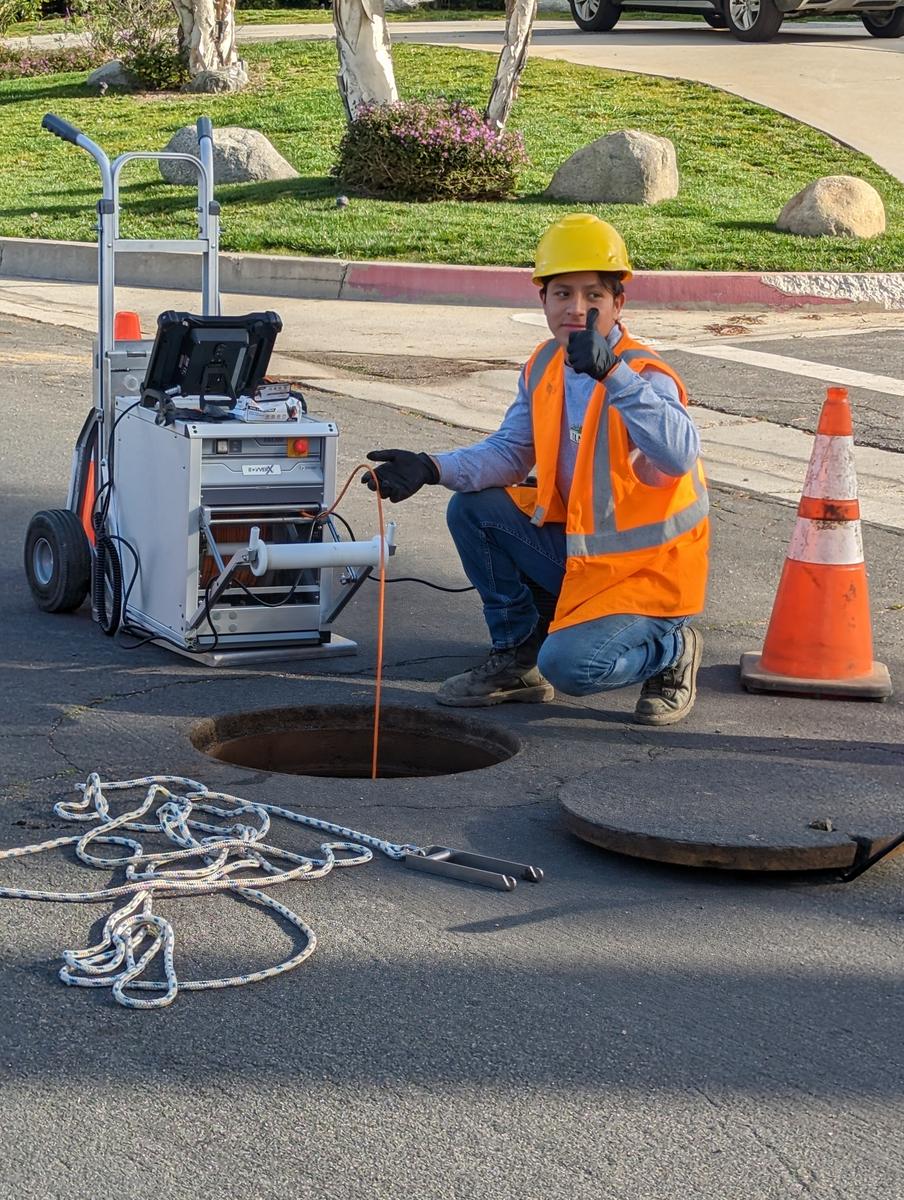
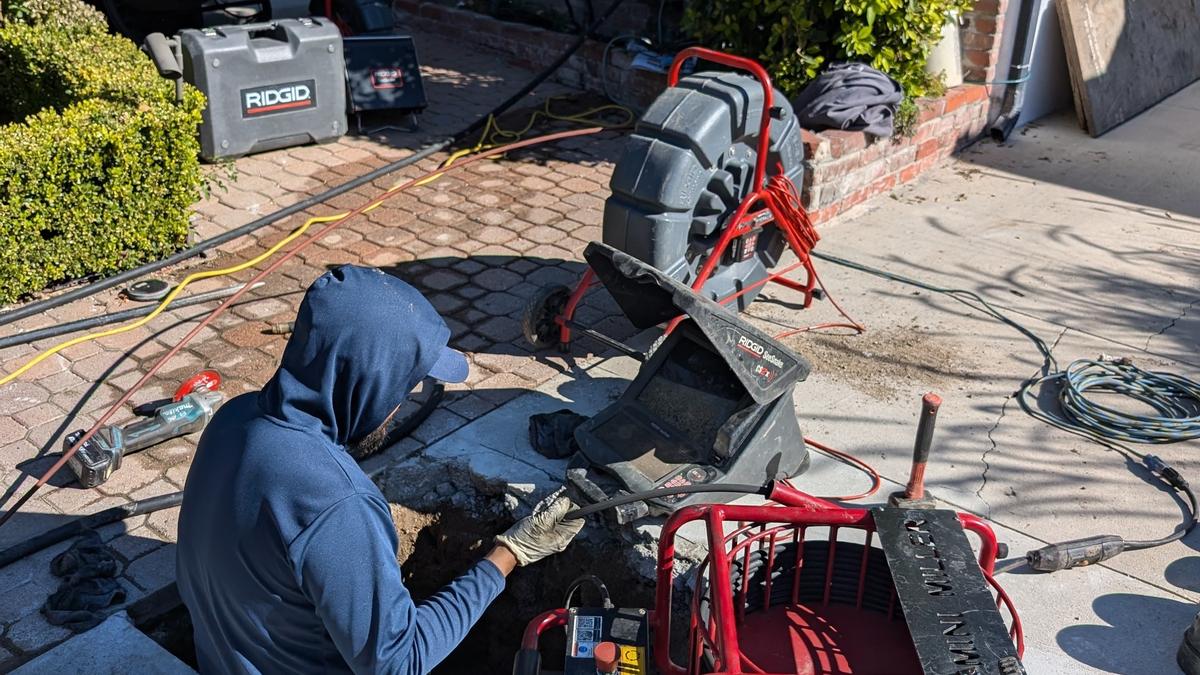
Camera, monitor, footage counter and locator on site. Traffic control set before the cover comes off.
What you receive
Every inspection leaves you with a package an engineer can act on, not a video file nobody opens.
- Recorded digital video of each run, named by manhole-to-manhole segment or by address and access point
- PACP-coded defect log. each observation recorded with its distance along the pipe and its clock position, using the standard NASSCO codes your consultants already read
- Structural and operational grades per segment, so you can sort a whole survey by which pipe is worst
- Written condition report in plain language alongside the coded data, for the people in the room who are not pipeline engineers
- Pipe material, diameter, depth and measured length for every segment run
- Still images pulled at each significant defect
- Locate marks on the surface where you need the line traced for design or excavation
Deliverables come in whatever container your agency specifies. Tell us the format your database wants and we will match it rather than handing you something you have to convert.
What the PACP grades mean
PACP scores each defect from 1 to 5 and rolls those up into a grade for the whole segment. Two separate scores come out of one inspection, and they answer two different questions.
| Grade | Structural, is the pipe failing? | Operational, is the pipe flowing? |
|---|---|---|
| 5 | Failed or about to. Collapse, large holes, missing pipe wall. | Blocked or nearly blocked. Flow is stopped. |
| 4 | Poor. Severe cracking, deformation, major joint failure. | Heavy obstruction. Roots, grease or debris filling most of the pipe. |
| 3 | Fair. Defects that will get worse without attention. | Moderate obstruction or a belly holding standing water. |
| 2 | Good. Minor defects, long service life remaining. | Minor debris or light root intrusion. |
| 1 | Excellent. Minimal or no observable defects. | Clear. |
The distinction matters for how you spend. A grade 5 operational with a grade 2 structural is a cleaning problem, jet it and it is fixed. A grade 5 structural is a capital problem, and cleaning it just delays the bill. Plenty of agencies have replaced pipe that only needed jetting because nobody separated the two scores.
Where this work usually comes from
Condition assessment for capital planning
You have a budget cycle and a list of lines you suspect are failing. We survey them, grade them, and give you evidence for which segments get money this year and which can wait. Honest grading matters here. Overstating defects to sell repair work is how a contractor gets removed from a list, and we would rather keep the list.
Post-construction acceptance
New or rehabilitated pipe gets inspected before the agency accepts it. We record the run, code what is there, and document sags, debris, protruding taps, poor joints or lining defects. The report goes to the agency, and we do not soften findings because a contractor would prefer it.
Inflow and infiltration investigation
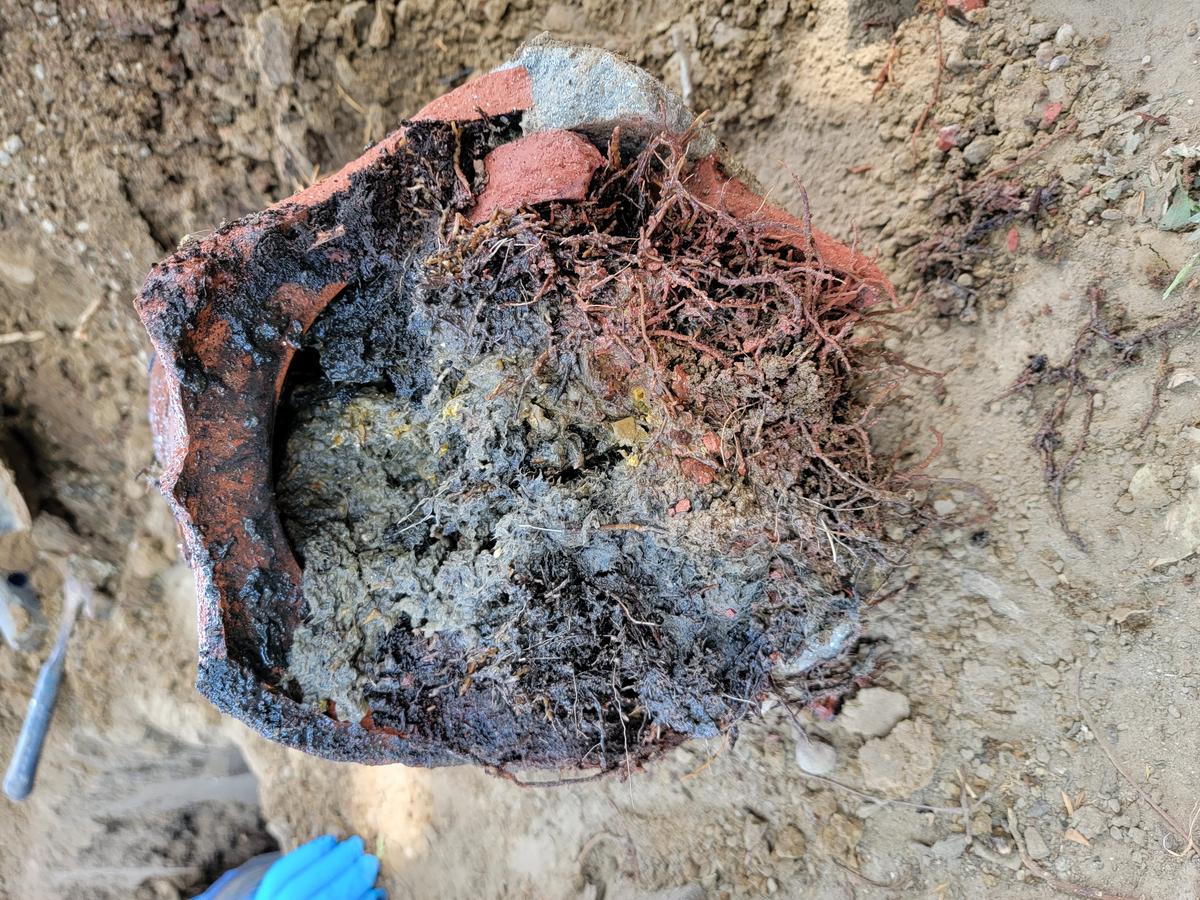
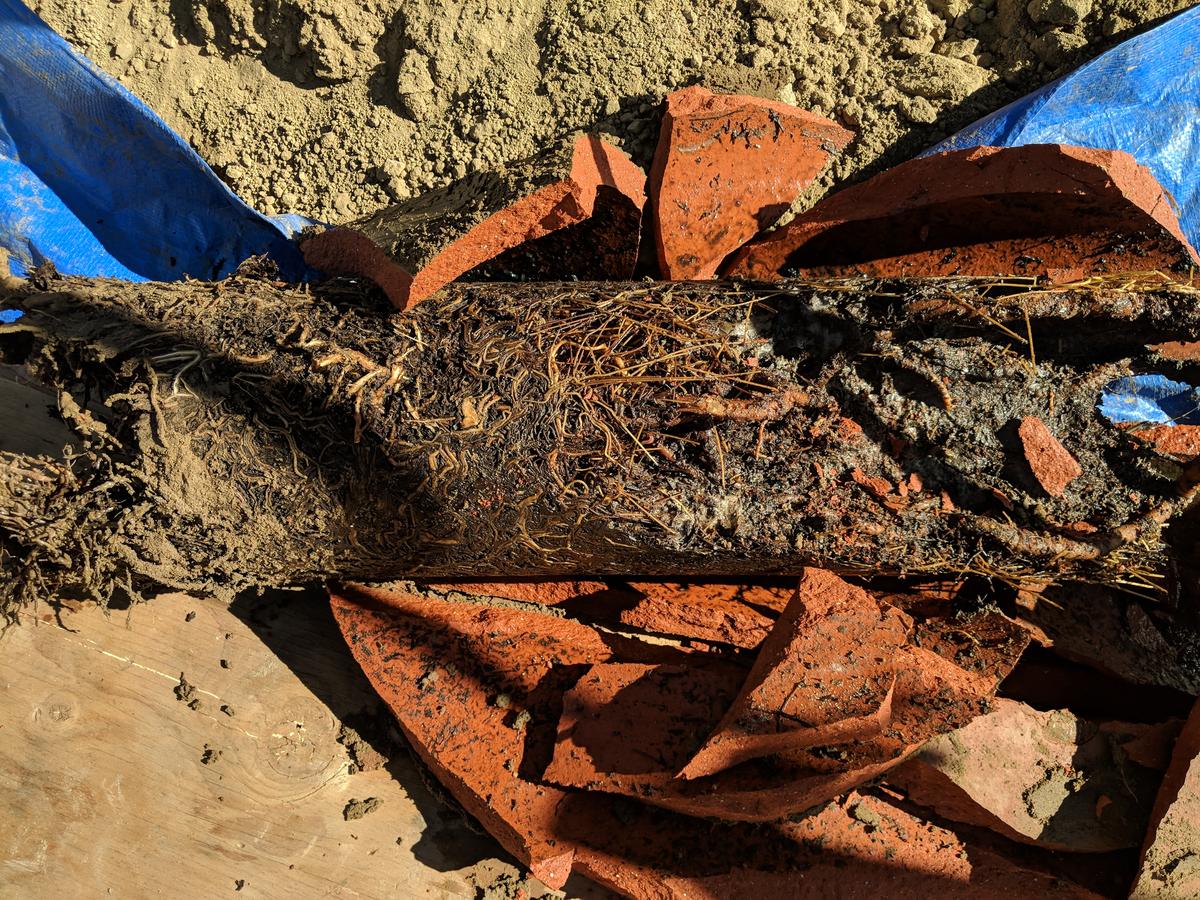
Groundwater and storm water getting into a sanitary system shows up as cracked joints, bad laterals, root-opened seams and deteriorated manhole connections. Video finds where. We run the segments and code the entry points so your I&I program has locations to work from.
Emergency and troubleshooting runs
A line is backing up at a public site and nobody knows why or where. We put a camera in, find the blockage or the break, locate it on the surface, and tell you what it will take to fix. Often the same day.
Lateral and connection verification
Confirming where a private lateral ties into the public main, whether an illegal connection exists, or whether a property's line is the agency's problem or the owner's. Video settles that argument before it becomes a claim.
Line cleaning verification
Proof that a jetting or root-cutting contract actually cleaned what it billed for. Before-and-after video on the same segment, same footage marks.
What a survey typically turns up
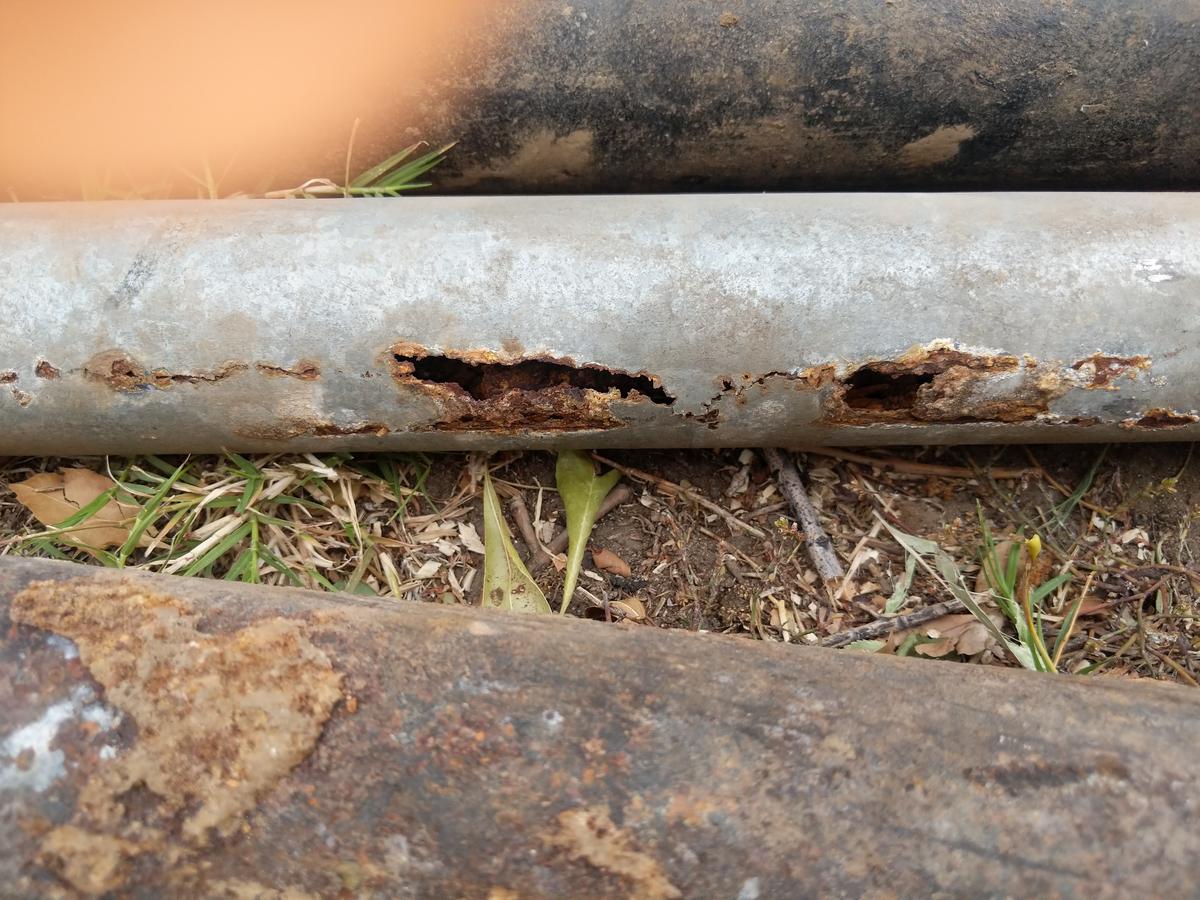
These are real lines out of the San Fernando Valley. Most public sewer here is clay or cast iron put in decades ago, and it fails in a small number of predictable ways.
A note on cleaning before inspection
A camera cannot grade pipe it cannot see. Heavy grease, sand, roots or standing debris will produce a survey full of "obscured" entries and you will have paid for nothing. We run our own jetting and root-cutting equipment, so when a line needs cleaning first we do it in the same mobilization instead of demobilizing and coming back with a second contractor's invoice attached.
Equipment and capability
- Mainline crawler camera with pan, tilt and rotate, for manhole-to-manhole runs in mains
- Push camera with sonde for laterals, small-diameter lines, cleanouts and tight access
- On-screen footage counter recorded to the video, so every defect has a measured distance rather than an estimate
- Line and sonde locator for marking depth and horizontal position on the surface
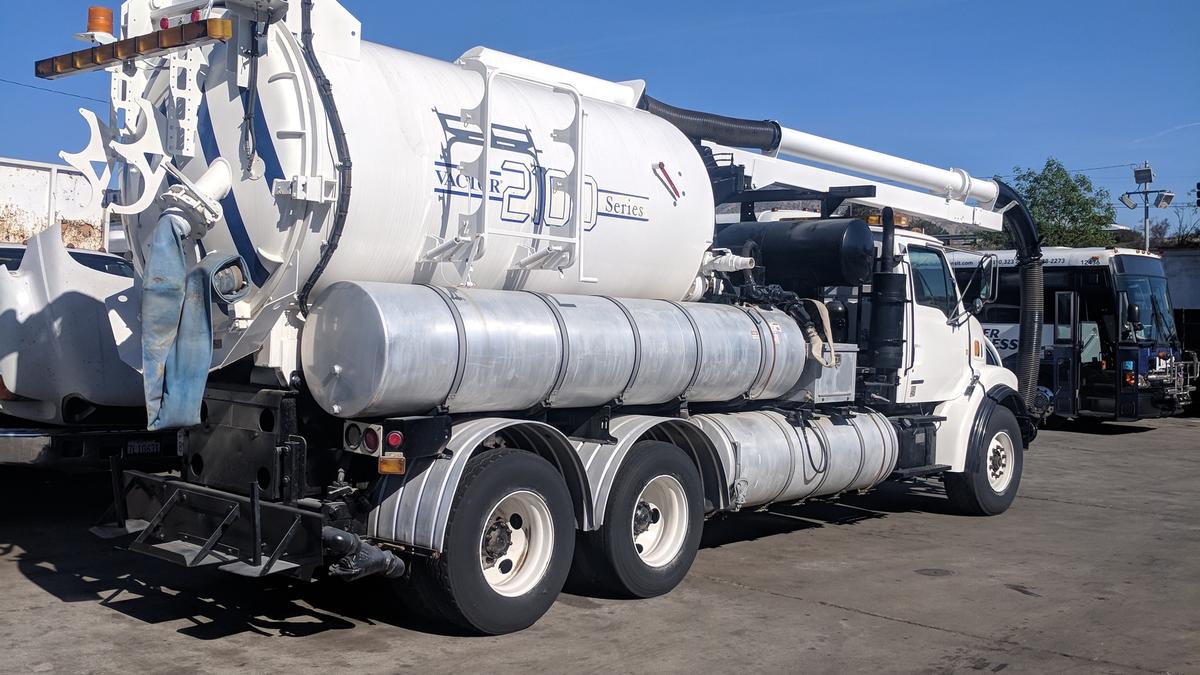
- Hydro-jetting truck with root-cutting heads for pre-cleaning
- Own inspection vehicle and crew. we do not rent equipment or subcontract the camera work out
If your specification calls out a capability we do not have, we will tell you plainly instead of bidding it and hoping. Ask about anything specific in your spec before the bid date.
On-site conduct
Public sites come with rules, and a contractor who ignores them costs you more than he saves.
- Traffic control arranged to the agency's standard where work is in a street or right of way
- Confined space entry is avoided by design. The camera goes down, people do not. Where entry is required we will say so up front rather than improvise on the day
- Occupied buildings and campuses. night, weekend and school-break scheduling so the work does not run alongside children, staff or the public
- Site left clean. access covers reseated, surfaces washed down, debris hauled off
- Badging, sign-in and escort requirements followed as your facility requires
How inspection work gets priced
A footage number on its own is not enough to quote a survey. These are the things that actually move the price, so you know what to put in your scope to get a tight quote instead of a padded one.
- Access. Open manholes at both ends is the cheap case. A single cleanout, a pulled toilet flange or a line with no access at all is not.
- Line condition. Clean pipe runs fast. Grease and root-packed line needs jetting first, and that is a separate operation with its own hours.
- Diameter and length. Which camera goes in, and how many setups it takes to cover the footage.
- Traffic control. A quiet campus service road and a four-lane arterial are different jobs before the camera even comes out.
- Hours. Night and weekend work on occupied sites costs more than daytime, and is often still the right call.
- Deliverable format. Video and a defect log is standard. A specific database export or a formal engineering report is more work.
Send those details with your request and the quote comes back tight and firm. Leave them out and any contractor either pads the number or changes it later.
Working as a subcontractor
If you are a prime bidding an as-needed sewer, CCTV or pipeline assessment contract and your firm does not hold a pipe trade license, this scope has to be subbed. We hold the license, the cameras and the crew, and we are in Northridge, so mobilization across the Valley and greater Los Angeles is short. Send us the inspection line items while you are still pricing the bid and we will return a sub quote in time for your deadline.
Request a quote
- Phone
- 818-280-9135, answered seven days a week
- bbcrooter@gmail.com
- Send with your request
- Approximate footage, pipe diameters, access points or manhole numbers, site address, the deliverable format you need, and your due date.
- License
- CSLB #720343 · NASSCO PACP certified · DIR registered for public works
Common questions
Is your inspection coded to NASSCO PACP?
Yes. Defects are recorded using the standard PACP codes with distance and clock position, and segments carry structural and operational grades. Most agency specifications in California are written in that language.
How much footage can you cover in a day?
It depends almost entirely on how dirty the line is and how hard the access is. Clean pipe with open manholes moves fast. Grease-filled line with a tight cleanout does not. Give us the site conditions and we will give you a realistic daily rate instead of a flattering one.
Can you inspect lines that have not been cleaned?
We can, but the results will be limited and we will say so in the report. If a survey needs to be usable for design or capital planning, budget the cleaning. We can do both in one visit.
Will you give us the raw video as well as the report?
Yes. The video belongs to you. So do the still images and the coded data.
Can you do emergency inspection outside business hours?
Yes. The emergency line is answered at all hours and we respond nights and weekends for backups and unknown blockages at public sites.
Do you also do the repair after the inspection?
We can, and many agencies prefer one contractor for both. See public works sewer repair. If your procurement rules separate inspection from construction, that is fine too. The inspection report reads the same either way.
What diameters can you run?
Small-diameter laterals and cleanouts through typical municipal mains. Tell us the diameters in your scope and we will confirm before you rely on it rather than after we are on site.
Can you mark the line on the surface for us?
Yes. The camera carries a sonde and we locate and mark depth and horizontal position, which is what you need before design or excavation.
Do you charge a mobilization fee?
Not on normal daytime work inside our service area. Night work, weekend work and heavy traffic control are priced separately because they are extra, and they show as their own line on the quote.
Back to Municipal & Public Works. For residential and commercial camera work, see sewer camera inspection.