Hydro Jetting in Northridge & the San Fernando Valley
Hydro jetting (also written hydrojetting) is the most effective hydro jetting service for cleaning sewer and drain lines. It uses a specialized nozzle that blasts water at up to 4,000 PSI through the pipe, scouring away tree roots, grease, mineral scale, sludge, and years of buildup that snaking alone cannot remove.
BBC Rooter & Plumbing is a hydro jetting plumber providing residential and commercial hydrojetting across the entire San Fernando Valley, from Northridge and Chatsworth to Encino, Woodland Hills, and everywhere in between. Same-day hydro jetting service is available 7 days a week.
How Hydrojetting Works
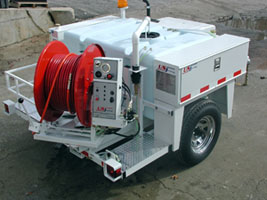
A hydrojetter consists of a high-pressure water pump, a long hose, and a specialized nozzle with forward- and rear-facing jets. The nozzle is fed into the sewer line through a cleanout, and the rear-facing jets propel it forward while blasting debris backward toward the access point.
The result is a pipe cleaned back to its original diameter. A drain snake punches an opening through the blockage and leaves the rest of the buildup sitting on the walls. That remaining layer keeps catching paper and grease, so a snaked line often closes up again within a season.
What Hydrojetting Clears
- Tree roots: The high-pressure stream cuts through root masses that have invaded pipe joints. For recurring root problems, hydrojetting every 18 to 24 months keeps lines flowing while you plan a permanent fix like trenchless pipe lining.
- Grease and fat buildup: Critical for restaurants and commercial kitchens where grease accumulates in drain and sewer lines. Regular jetting prevents the backups that lead to health code violations and business interruptions.
- Mineral scale and calcium deposits: Common in older cast iron pipes, where decades of mineral buildup reduces the effective pipe diameter by 30% or more.
- Sludge and sediment: Organic waste, paper products, and sediment that settle in low spots (bellies) in the sewer line.
Hydrojetting vs. Snaking: What Is the Difference?
A drain snake (also called a rooter machine or auger) works by spinning a cable with a cutting head through the pipe. It punches a hole through the clog, restoring flow, but it does not clean the pipe walls. Within weeks or months, buildup re-accumulates and the clog returns.
Hydrojetting scours the entire interior surface of the pipe back to the pipe wall, so a 4 inch line that had narrowed to maybe an inch and a half of open channel goes back to carrying what it was built to carry. On a line that has backed up twice in a year, that is the repair that holds.
Snaking is still the right tool for a simple one-time clog in a branch line. Our drain cleaning service uses both methods depending on the situation.
Residential Hydrojetting
For homeowners, hydrojetting is most commonly used on the main sewer lateral, the 4 to 6 inch pipe that runs from your house to the city sewer main in the street. We access the line through an exterior cleanout and jet the full length of the pipe.
We always start with a sewer camera inspection before jetting. The camera confirms the pipe material, diameter, and condition. If the pipe has structural damage (cracks, collapse, separation), we will identify that before applying high-pressure water, which could worsen a compromised line.
Commercial Hydrojetting
Restaurants, apartment complexes, HOAs, and commercial properties deal with heavier sewer loads and faster buildup than single-family homes. BBC Rooter provides scheduled hydrojetting maintenance for commercial clients throughout the San Fernando Valley, including:
- Restaurant grease lines (quarterly or semi-annual maintenance programs)
- Multi-family building sewer mains
- HOA and property management sewer maintenance
- Commercial kitchen drain lines
If you manage an apartment building or multi-family property, see our guide to apartment and multi-family sewer rehabilitation in the San Fernando Valley for how hydrojetting fits into a full sewer maintenance and rehab plan.
Wondering whether preventive jetting is worth the cost? Our breakdown of how hydrojetting saves San Fernando Valley property owners money compares one jetting visit against repeat snaking calls and emergency backup cleanup.
That pre-jetting scope is also the step most commercial inspection specs get wrong. Our guide to CCTV pipe inspection in the San Fernando Valley explains why a line has to be cleaned before it can be properly surveyed, and why a survey run on a dirty pipe is worth very little.
Hydrojetting in the City of Los Angeles
A good share of our jetting work sits inside City of Los Angeles limits rather than in one of the county pockets, and the rules there change what the job looks like. LA Sanitation runs more than 6,700 miles of public sewer pipeline carrying roughly 400 million gallons a day, and the agency puts tree roots and kitchen grease together at over half of all backups. That lines up with what comes out of the pipe when we jet.
Where your responsibility stops surprises most property owners. In the City of Los Angeles you own the whole private lateral, both halves of it: the upper lateral from the building to your property line, and the lower lateral from the property line out to the center of the street. There is no city-maintained stretch in between. When a duplex on Reseda Boulevard backs up at the sidewalk, that is still the owner's pipe, and jetting it is the owner's call.
That also draws a line around what jetting can do. Clearing roots and grease out of a lateral is maintenance and needs no permit. Opening the ground in the public right-of-way, under a sidewalk or out in the street, needs a Class "A" permit from the Bureau of Engineering. We jet and then scope the line because the footage settles which side of that line a job falls on before anyone starts pricing an excavation.
LA Sanitation also runs a sewer lateral rebate for property owners who pay the city sewer service charge. Applications open the first working day of July each fiscal year and are funded first come, first served until that year's allocation runs out. It does not cover routine jetting. If a scope turns up a lateral that needs repair rather than cleaning, ask about it before you schedule the work. Amounts and rules change year to year, so confirm the current terms with LA Sanitation.
Outside city limits, in the county pockets around Granada Hills and the unincorporated strips west of Chatsworth, LA County Public Works' Sewer Maintenance Division maintains the mains and the responsibility line sits in a different place. We work in both. We check which one an address falls in before quoting anything that touches the street.
On the commercial side, the grease work follows the restaurant corridors: Ventura Boulevard through Tarzana and Encino, Reseda Boulevard near the CSUN campus, and the strip centers along Devonshire. A kitchen running a fryer six days a week will load a 4 inch grease line faster than any interceptor pump-out schedule accounts for, and the line between the interceptor and the city main is the part nobody maintains until it stops. Quarterly jetting on that run costs less than one Saturday night closure.
Schedule Hydrojetting Service
Camera inspection included. We will show you the before and after footage so you can see the difference.
Call 818-280-9135Frequently Asked Questions
How much does hydrojetting cost?
Residential hydrojetting in the San Fernando Valley typically costs between $350 and $600 for a standard sewer main. Commercial jobs and longer runs may cost more depending on pipe diameter and access. We provide upfront pricing after a camera inspection.
Is hydrojetting safe for old pipes?
Yes, when performed by an experienced operator. We adjust water pressure based on the pipe material and condition. Clay and cast iron pipes are jetted at lower pressures than newer ABS or PVC. A camera inspection before jetting confirms the pipe can handle the procedure safely.
How often should sewer lines be hydrojetted?
For homes with recurring root intrusion or slow drains, every 18 to 24 months works well as preventive maintenance. Commercial kitchens typically need quarterly or semi-annual service depending on volume and grease output.
Related Services
- Sewer Camera Inspection, always performed before hydrojetting to confirm pipe condition
- Trenchless Sewer Repair, permanent fix for pipes that need more than cleaning
- Drain Cleaning & Rooter Service, for branch line clogs and simpler blockages